البحوث المُعمقة
The Future of the “Grand Bargain”: Balancing the Nuclear Program and Sanctions Relief in the 2026 Middle East Security Paradigm

The geopolitical and security architecture of the Middle East underwent a fundamental, irreversible transformation in the first quarter of 2026. Following the collapse of a protracted series of diplomatic frameworks and months of escalating regional tensions that began with backchannel talks in Oman in 2025, the initiation of “Operation Epic Fury” by the United States and Israel on February 28, 2026, systematically dismantled decades of Iranian military buildup and internal regime stability. The unprecedented six-week high-intensity kinetic conflict resulted in the assassination of Iran’s Supreme Leader Ali Khamenei, the degradation of over 13,000 Iranian military and industrial targets, and profound disruptions to global energy and trade networks.
Out of this catastrophic phase emerged a fragile, Pakistan-mediated two-week ceasefire in early April 2026. The resulting diplomatic engagement—most notably the 21-hour marathon negotiations in Islamabad between high-level U.S. and Iranian delegations—revealed a profound structural chasm regarding the future of the region. Washington, operating from a position of perceived absolute military and maritime superiority, proposed a comprehensive “Grand Bargain.” This 15-point proposal demanded total denuclearization, the physical removal of highly enriched uranium, and the dismantling of the Axis of Resistance in exchange for lifting economic sanctions and welcoming Iran back into the global financial community.
Tehran, despite sustaining an estimated $145 billion in direct economic damage and massive personnel losses, countered with a rigid 10-point plan. This Iranian framework demanded exorbitant war reparations, the complete withdrawal of U.S. combat forces from the region, the retention of domestic uranium enrichment rights, and sovereign control over the Strait of Hormuz.
This comprehensive research report provides an exhaustive analysis of the prospects for success of the proposed “comprehensive agreement” to end the 2026 war. By deconstructing the military, economic, and internal factional realities shaping both the U.S. and Iranian negotiating postures, the analysis explores the seemingly insurmountable gap between the two frameworks. Furthermore, it examines the systemic ripple effects of the conflict, particularly the shattering of the Gulf’s “safe haven” narrative, the severe economic impact on hubs like Dubai, and the global economic contagion triggered by maritime blockades. Ultimately, this report evaluates the extent to which a temporary two-week ceasefire can evolve into a lasting peace, providing detailed geopolitical forecasts for the trajectory of the U.S.-Iran strategic relationship.




تدخل اليابان في سوق صرف الين وتأثيره على أسعار السيارات المُستوردة في منطقة الشرق الأوسط

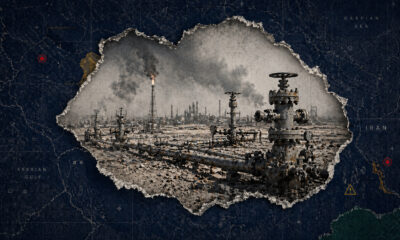
ديناميكيات مراقبة البنية التحتية النفطية الإيرانية في ظل الحصار: انخفاض الإنتاج ومعوقات التعافي

The Hormuz Shock: How a Closed Strait Is Redrawing the World’s Energy Map

A Commodity Forecast for Middle Eastern Economies Under El Niño

Fragile Regional Security: Targeting Strategic Infrastructure in the Gulf States
-

 بوصلة السياسات6 months ago
These \’90s fashion trends are making a comeback in 2017
-

 بوصلة السياسات6 months ago
These \’90s fashion trends are making a comeback in 2017
-

 رادار المستقبل6 months ago
The final 6 \’Game of Thrones\’ episodes might feel like a full season
-
رادار المستقبل6 months ago
The final 6 \’Game of Thrones\’ episodes might feel like a full season